
The TWU Environmental Studies Program has a long history of supporting and providing action on environmental issues on and off campus. A pilot garden in summer 2009 was begun by 7 community members on the site, and was quite successful. Several ENVS faculty are currently conducting research in the area of environmental agriculture, and one of the Program Directors, Prof. Karen Steensma, is a lifetime commercial farmer and has also assisted in setting up 4 previous community garden efforts in Washington State that have been highly successful.
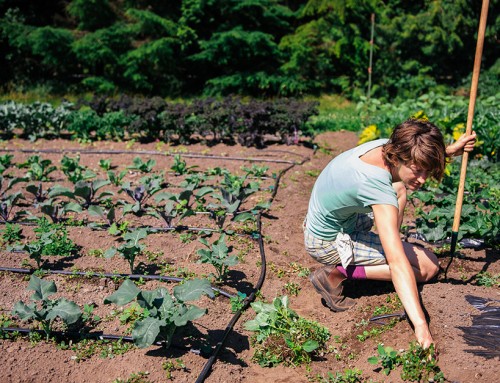
The purpose is to create a community garden to allow Langley area residents a chance to grow a portion of their own food. We will promote sustainable agriculture through production and distribution of locally grown produce. We will provide a demonstration garden, workshops, food bank donations and space for up to 40 community garden plots.
Our short term outcomes expected are garden promotion, and soil preparations such as tilling and planting. We plan to advertise through signage, newspaper ads, leisure guides, newsletters and various list serves. We plan to construct a garden shed and connect a water pump to the existing well. We need to secure funding for a community garden manager to be in charge of overall operations including communication and publicity. Long term we would like to hire 1-2 student interns. The community education aspects of the project would also be undertaken by the garden manager. We plan to hold several workshops on composting, cooking, food security and so on. We plan to have a demonstration garden and hold social events. We expect the garden to fill within the first 2 seasons and anticipate giving at least 20% of the produce to local food banks.
The project will take place in Langley Township, serving the communities of Fort Langley, Langley City, Walnut Grove and Willoughby. This garden offers members of these communities (including low income families, children, seniors, university students, and others without access to garden space) an opportunity to produce fresh vegetables, improve their health, and save money. The community garden offers education, exercise, recreation and therapy. It will bring about awareness of hunger and food security. We will be increasing the amount of urban agricultural land in production. We will also be encouraging local agriculture with a low-impact on the environment. There are waiting lists in the Langley-area community gardens, indicating a need for this project and ensuring our success in attracting garden users.