Introducing the Manitoba WildRoots Team of 2026
By Zoe Matties, Manitoba Program Manager
May 7, 2026
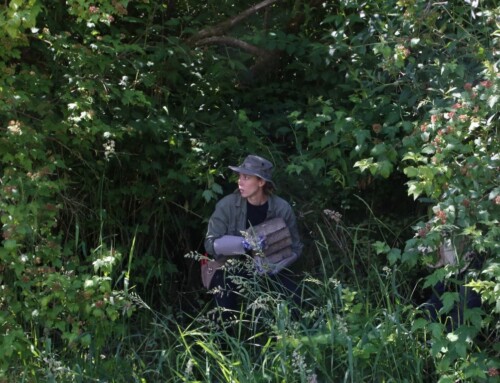
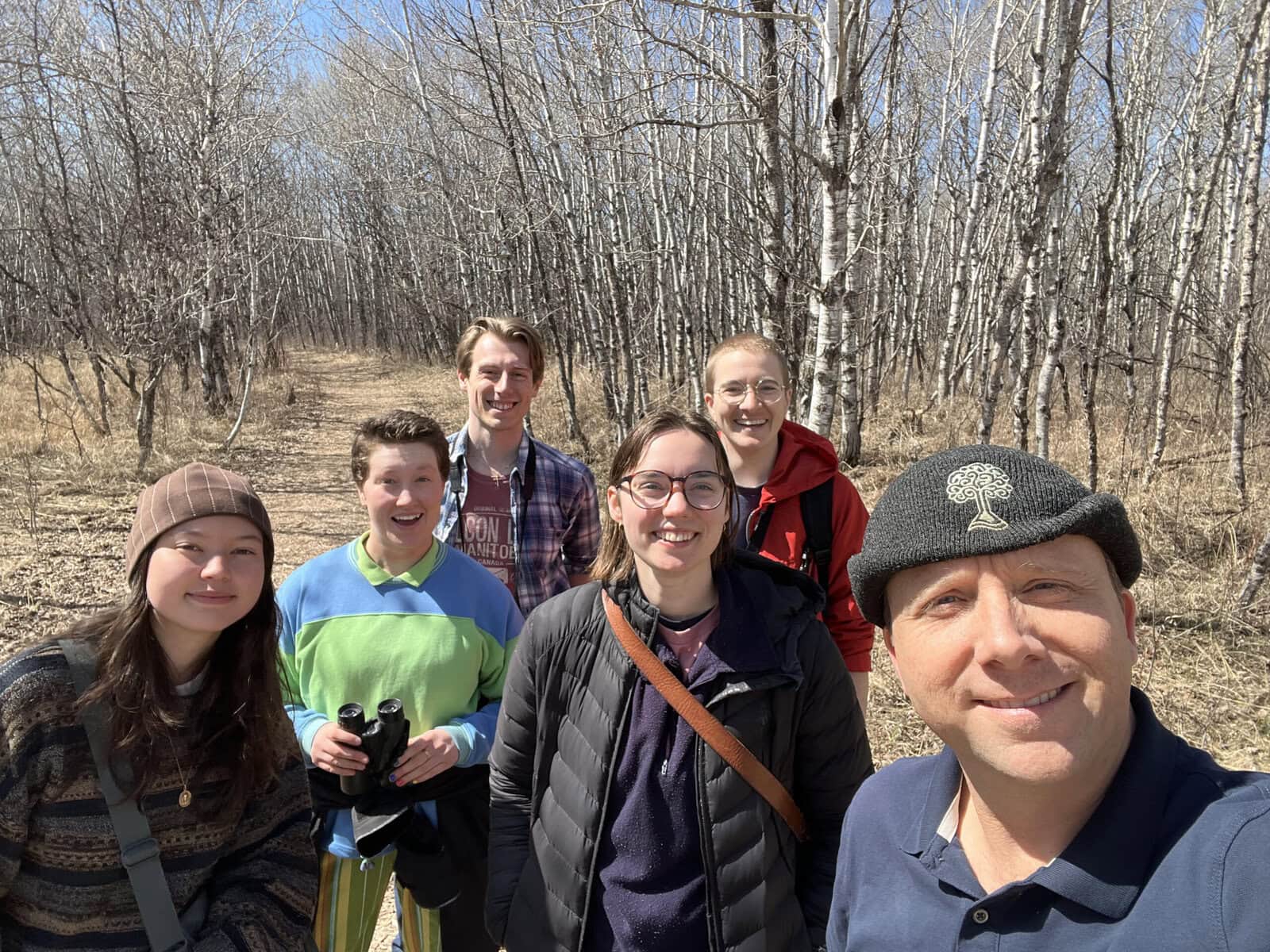
This week the A Rocha team in Manitoba welcomed three new summer staff through our WildRoots program.
It is always an exciting time as we get to tell the new staff the A Rocha story, do team-building exercises, and head out the Boreal Ecology Centre for our orientation retreat.
As is our practice in the Manitoba office, we start each day with morning prayer, borrowing from the Northumbria Community’s Celtic Daily Prayer. And each week we reflect on a theme related to our work in creation care and our faith.
This week we are thinking about the practice of pilgrimage. A pilgrimage is a journey, often to an unknown place, “where a person goes in search of new or expanded meaning about their self, others, nature, or a higher good through the experience.”[1] When the Celtic monks embarked on a pilgrimage it was viewed as a risky enterprise, which involved leaving the security of the monastery in order to journey into the unknown. But pilgrimage was also viewed as a matter of balance and rhythm. There would be periods of intense activity balanced by times of solitary retreat. There was a sense that pilgrimage was as much about the daily inner journey as it was about an outward physical journey. Columbanus preached, “Every day you depart and every day you return.”
When we talked about this together as a team today one of our new staff piped up to share about about an experience they had learning about protecting turtles a few weeks earlier. They said that they were encouraged to seek out risk zones in their conservation field work. Not places of danger, but something that pushes you out of your normal comfort zone. Because it is in venturing out of our comfort zone that we may experience growth, learning, and new skills. They reflected that pilgrimage was a very similar idea.
The Iona community talks about pilgrimage in this way:
“Pilgrimage is a sign of contradiction, and of resistance to our prevailing value system, that of the market. Pilgrimage has, after all, no function other that itself; its means is as important as its end, its process as its product, its utility value is small, and its benefits cannot be quantified or costed. Its value is intrinsic. It is something that is good to do because it is good to do. It states clearly that the extravagant gesture (because it is extravagant in terms of time and commitment) is an irrepressible part of what it means to be human and to walk on the earth. And whether the context for pilgrimage is solitude or community, we will draw deeper into the mystery of God and the care of creation.”
We are encouraging our WildRoots staff to think about this summer as a bit of pilgrimage. Perhaps you might do some reflection on this in your summer as well. Some of the questions we are asking, and that you might ask as well are: What kind of journey do you want to go on this summer? How do you want to grow? What kind of person do you want to become?
Without further ado, here are this year’s WildRoots Summer Workers:
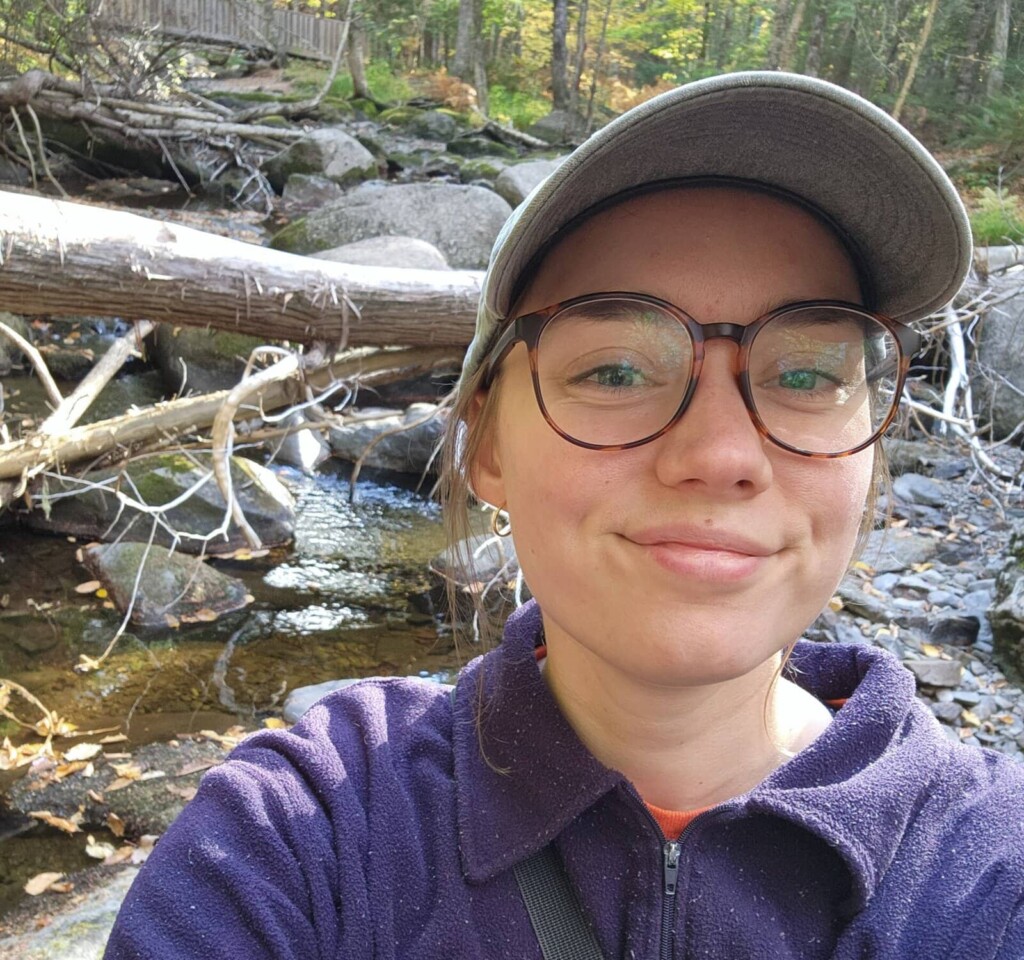 Michelle Corriveau
Memorable encounter with nature: When I was 8 years old I took my book outside, climbed a tree and read to it.
One thing I’m looking forward to this summer: I’m looking forward to learning more about Western Canada and how similar or different it is to Atlantic Canada, where I’m from.
If you had an animal tail, what kind of tail would you have: If I had a tail I would want a kangaroo tail to help with stability as I’m a little clumsy.
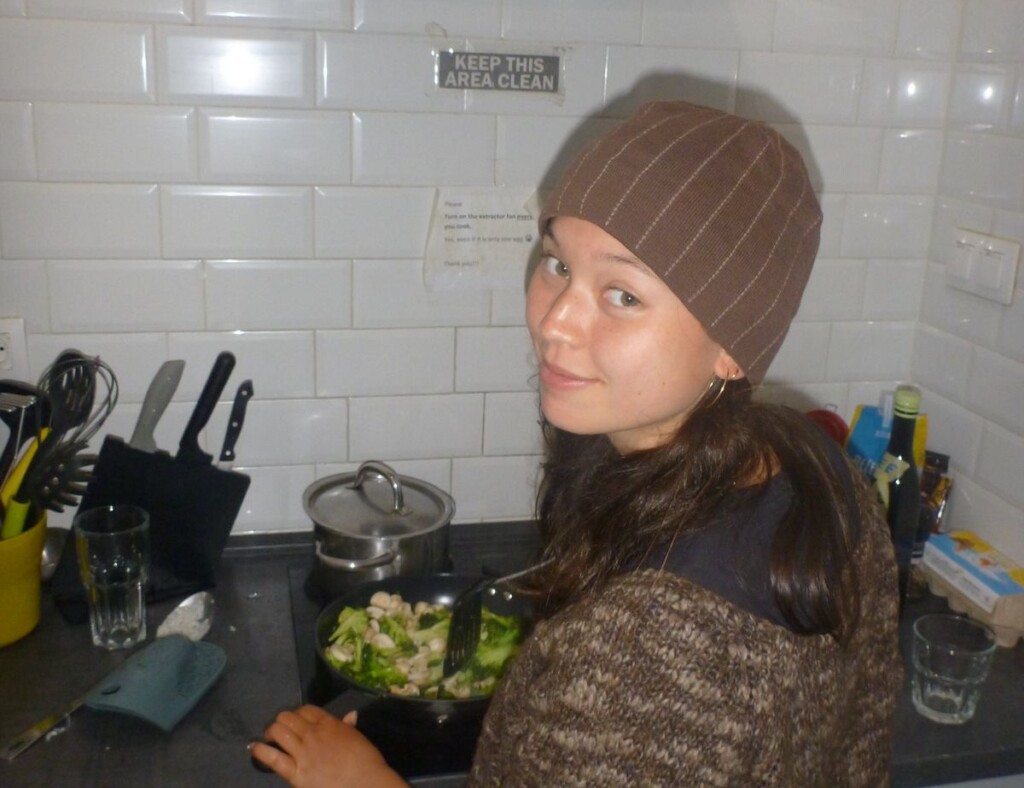 Seika Dyck
Memorable encounter with nature: Seeing wild bison jumping and running alongside the road.
One thing I’m looking forward to this summer: learning more about people’s relationships with environments.
If you had an animal tail, what kind of tail would you have: panda tail.
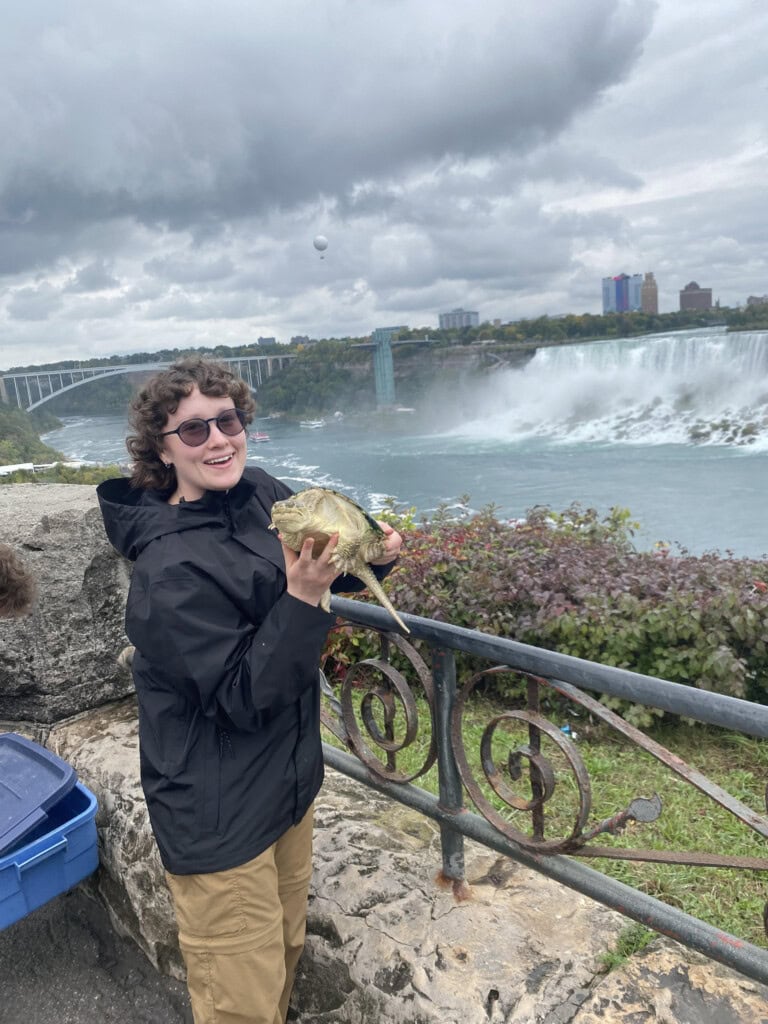 Tai Linklater
A memorable nature encounter: A memorable encounter I had with nature was this past January when I was hiking in the mountains of Costa Rica. Amid the lush green foliage of the cloud forest, a flash of orange captured my attention. It was the brightly coloured titian wings of a Tarantula Hawk Wasp — one of the largest species of wasp in the world. Since I was a child I had read books about these fascinating insects and dreamed about seeing them in person one day. While hiking, I saw one in action, stinging and paralyzing a tarantula in order to lay an egg on the large arachnid’s body, completing its life cycle. This encounter fulfilled a childhood dream of mine and has further fostered my passion for those whom we call “Creepy Crawlies.”
One thing I’m looking forward to this summer: This summer I am looking forward to being outside and getting my hands dirty through gardening and boots-on-the-ground field work!
If you had an animal tail, what kind of tail would you have: If I had a kind of animal tail, I would like a prehensile one, and I would use it to give me an extra hand and effortlessly hang from trees.
Featured Photo by Scott Gerbrandt
Support these Young Leaders
The work we do is made possible by generous people like you. Give a gift today to support these young leaders as they teach kids about nature, monitor biodiversity at the Boreal Ecology Centre, and grow local food for those in need in Winnipeg.