The Good Things List 2026
All the things that inspired us in creation care this year. We hope you may be inspired too!
This year we have books for adults and kids, a movie, a podcast, a few online articles, and even a gardening hack! The recommendations this year are surprising and just go to show that inspiration can come in many forms and from unexpected sources.
By Zoe Matties, Manitoba Program Manager (with help from A Rocha staff)
Nov 1, 2026
Looking Up: A Birder’s Guide to Hope Through Grief – Courtney Ellis
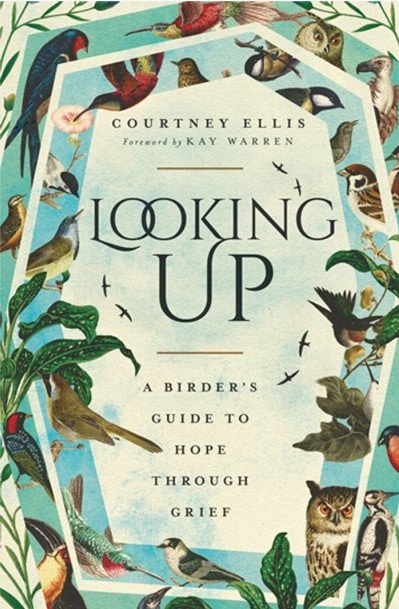 If you have felt loss in your life, and enjoy learning about the natural world, I would recommend this book to you. I appreciated how Courtney Ellis weaves together the stories of the birds she encounters with reflections on her grandfather’s death. I resonated with many of her thoughts on the nature of grief, and as a birder myself, I loved how each chapter focused on a different bird connected to the theme of the chapter.
- Zoe Matties, Manitoba Program Manager
To fall in love with the world of birds – their habits and calls and colors and songs and patterns and behaviors and personalities – is to open one’s heart to the anguish of losing so very, very much. But then, loving anything at all comes with a risk. And without love, who are we? – Courtney Ellis, Looking Up
The Man Who Planted Trees – Jean Giono
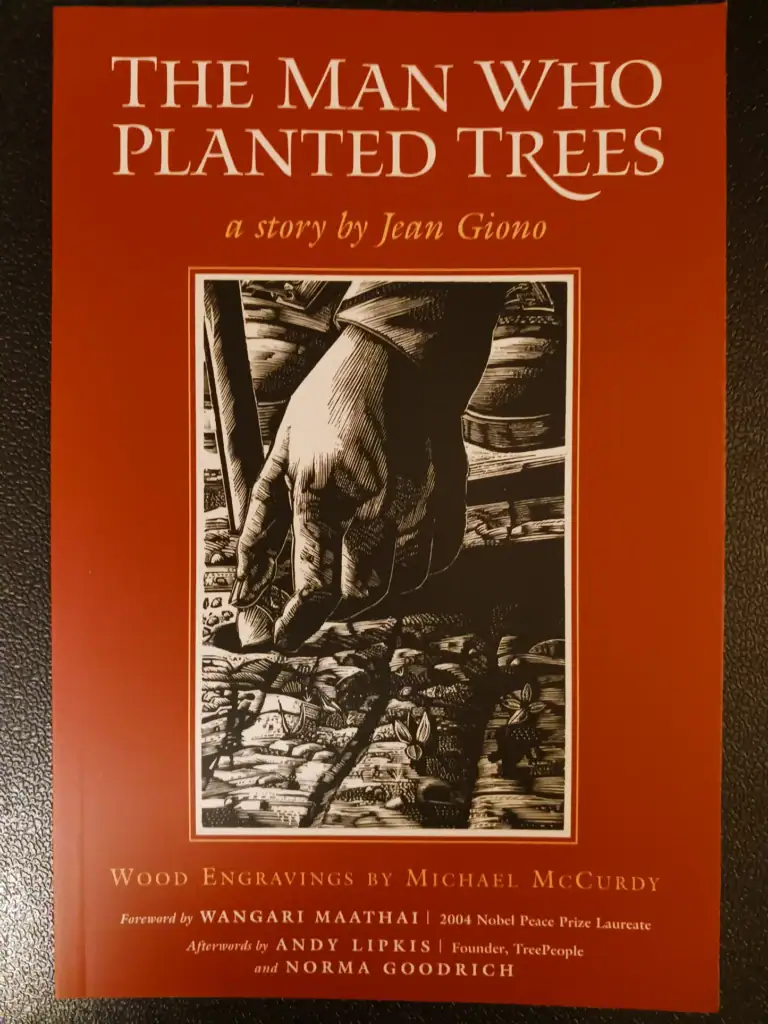 This is a story to inspire generations of nature conservationists. Jean Giono has written a contemporary parable about the power of one person to create a better world. In this story Giono asks, what makes a human virtuous, and of good character? And how does one leave a legacy of hope? The answer: generosity beyond measure without thought of reward or recognition, especially generosity towards creatures and plants. As a bonus, new editions of the book include beautiful woodcut illustrations by Michael McCurdy, and an afterword by Norma Goodrich, a scholar of French literature.
- Zoe Matties, Manitoba Program Manager
When you remembered that all this has sprung from the hands and the soul of this one man, without technical resources, you understood that men could be as effectual as God in other realms than that of destruction. – Jean Giono, The Man Who Planted Trees
It’s a Magical World – Bill Waterson
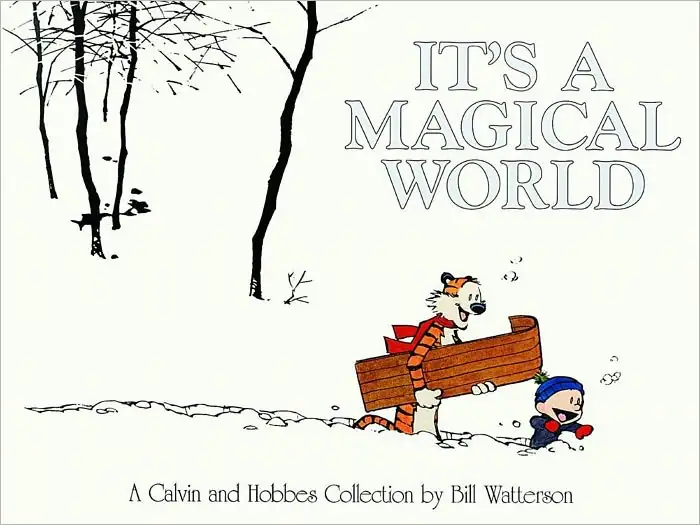 I watched a documentary, Dear Mr. Watterson, that pulled me back into a book series I’ve always loved. It’s a collection of strips and stories about the imagination of six-year-old Calvin, many of them being the manic misadventures of a mischievous kid and his stuffed tiger. But as you venture through, you also get to see the incredible watercolor art depicting the back forests of Watterson’s home town of Chagrin Falls Ohio, intercut with a profound philosophy about how we live in the world. Through the eyes of a child, the scrubland behind your house truly is A Magical World.
- Graham Peters, Conservation Science Coordinator
Hobbes – What have you found?Calvin – A few dirty rocks, a weird root, and some disgusting grubs.Hobbes – On your first try??Calvin – There’s treasure everywhere!
– Bill Watterson, It’s a Magical World
Project Hail Mary – Phil Lord & Christopher Miller
“Up is Down! Left is right! Xenon’s a solid! Aliens are real! I’m wrong about everything and everything’s wrong. Lefty tighty, righty loosey.” – Ryland Grace, in Project Hail Mary
Grace is trying to solve a problem that threatens the whole world and it seems insurmountable. And yet, the movie takes its time to explore how Grace works to find solutions. Like the ecological crisis we face, the problems can seem daunting, “everything is wrong”, but as we invest time and energy into exploring solutions, there is hope that we may find them.
- Graham Peters, Manitoba Conservation Science Coordinator
Bompas Insect Expedition – David Suzuki & Tanya Lloyd Kyi, Illustrated by Qin Leng
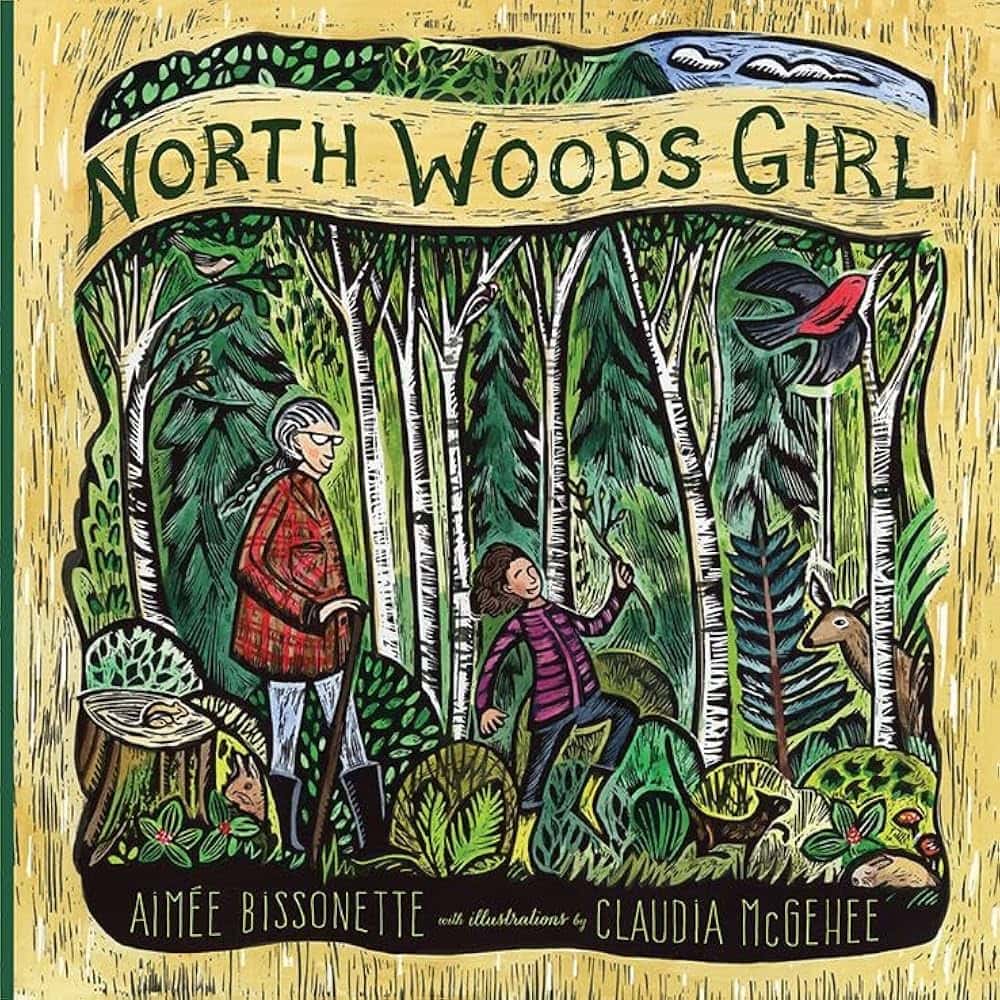
North Woods Girl – Aimée Bissonette, Illustrated by Claudia McGehee
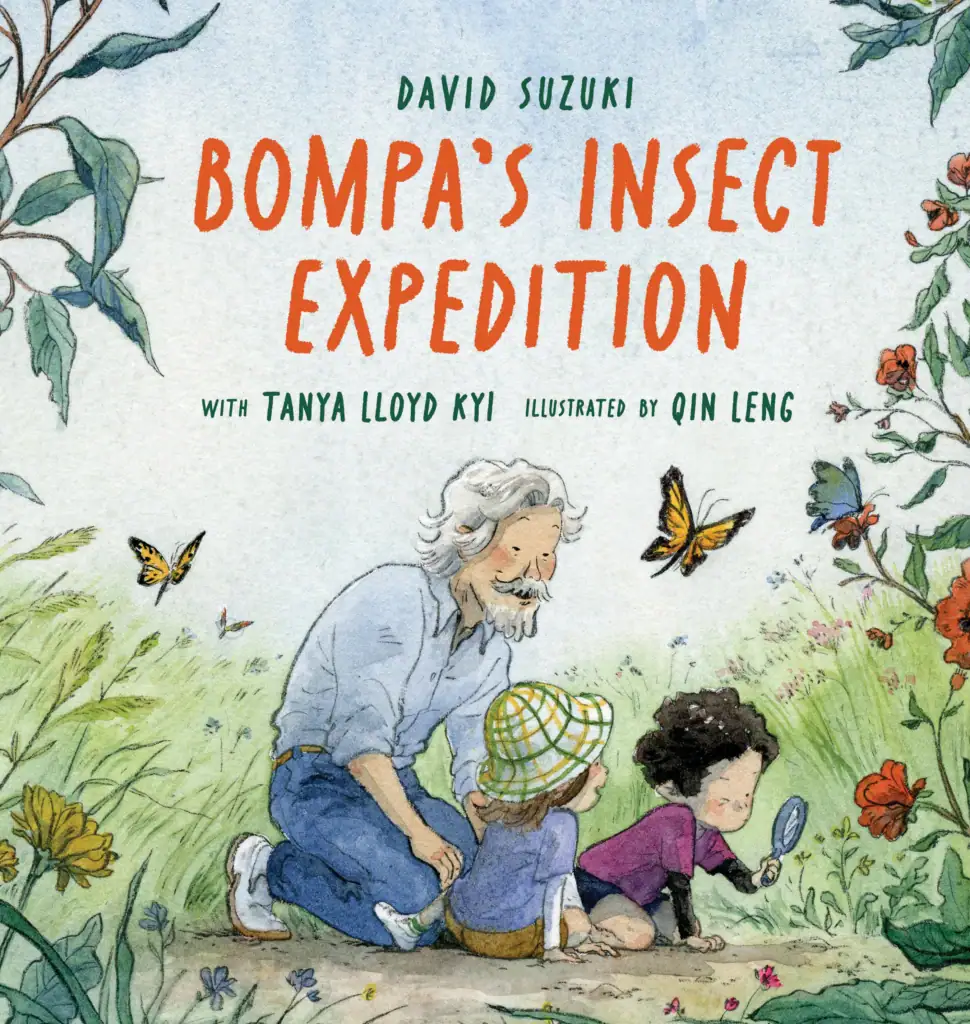
How do kids learn to love creation? By seeing the people they love do it first! Both of these books follow kids who are discovering the wonderful world of creation around them with the help of a special grandparent. The tie that binds these two books is the deep love that these important adults themselves have for the natural world. That love is so evident in the way they live that it inspires the children in their lives to build a sense of wonder and discovery that will guide them for their whole lives. Plus, the illustrations in both books are gorgeous.
- Ellis Hamm, Environmental Education Coordinator
Unless we are willing to encourage our children to reconnect with and appreciate the natural world, we can’t expect them to help protect and care for it. —David Suzuki (from Everything Under the Sun: Toward a Brighter Future on a Small Blue Planet)
Field Notes Podcast – A Rocha International
- Scott Gerbrandt, Manitoba Director
A Squash Cage
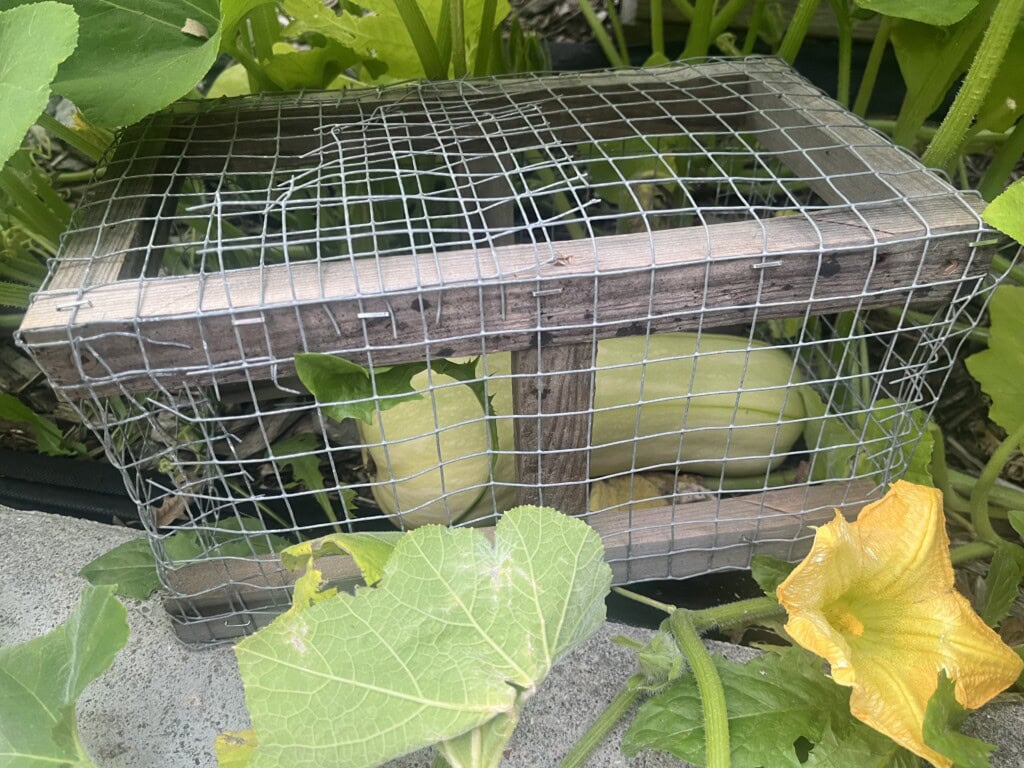 Jana and I seem to be in a neverending losing (or is it sharing) battle with squirrels in our front yard garden. What gets me is how they just nibble and go?!?! and it makes it very difficult to love a particular creature in creation. But recently I started building various types of cages to protect the fruit so that I can enjoy bothe the food later and the squirrels. I haven’t solved all of my garden vs squirrel battles, as I often clean up half eaten tomatoes all over the yard or on top of our trellis. Ugh!!
- Scott Gerbrandt, Manitoba Director
Bicycling is climate action for peace – Laura Pauls-Thomas
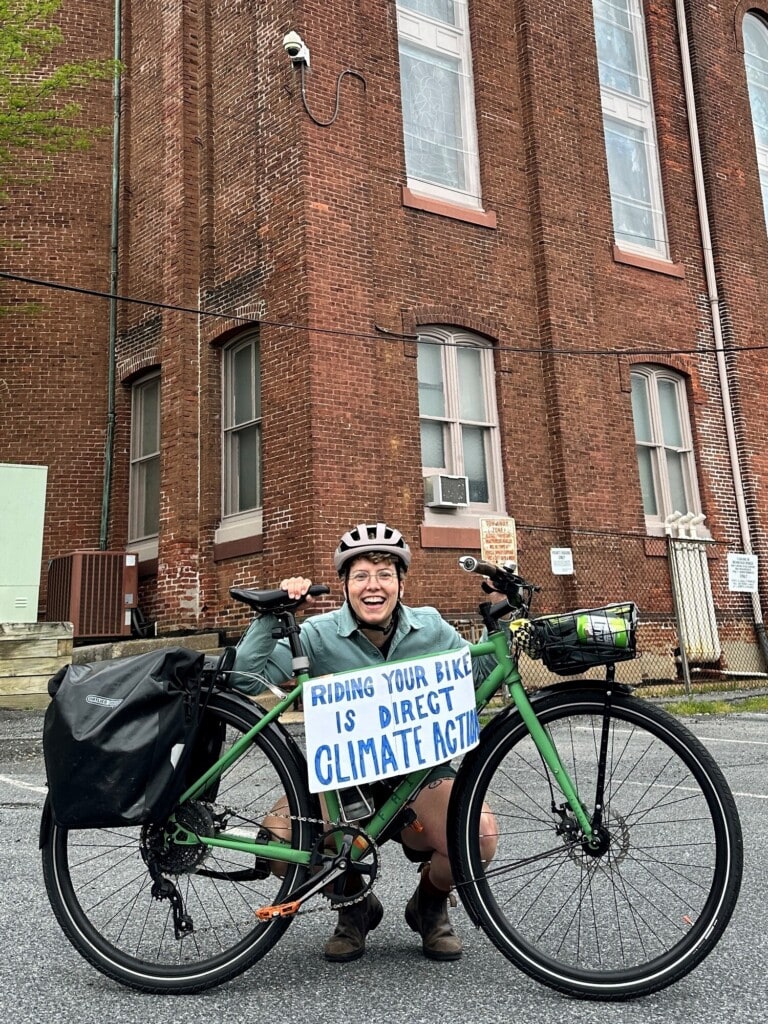 This article, written by Laura Pauls-Thomas, who is an advocate for intersectional climate justice and transportation justice, explains how cycling not only functions as a form of commuting, but is also a community-builder, ministry, and a platform for climate action and advocacy. The way in which Pauls-Thomas writes is accessible, compelling, and inspiring. If you are seeking out encouragement for riding your bike more, this article may just be the route to get you there!
- Tai Linklater, WildRoots Summer Worker 2026
[O]n a daily basis, what proves my commitment to climate justice to my community and my elected officials is my dedication to bicycling as a humble but direct climate action — even when it’s inconvenient and uncomfortable. – Laura Pauls-Thomas
Through the Guts – Max Liboiron
 A number of years ago I read Max Liboiron’s book Pollution is Colonialism. It has stuck with me since then because of Liboiron’s fascinating anti-colonial methodology and politics of citation. I’m not going to include that book in the list this year because it is a dense, academic tome about “how” we do science (though if you’re into that kind of thing, I’d highly recommend it!). I came across this article by Liboiron this year that highlights a lot of the important work they are doing with the CLEAR Lab at Memorial University studying plastic pollution in birds and other sea life. Liboiron argues that science isn’t just about making observations, but about relationships; with each other and with the place you are in.
- Zoe Matties, Manitoba Program Manager
Each new species, each new place, requires a different forensic sensibility. Teaching philosophies might claim that a microbead is a microbead, and once you’ve learned what a microbead looks like you can successfully make an identification no matter the context. I’ve found that not to be the case. Context is everything. The heart of gut forensics is not classification, but learning how to see.
Science is less a method for extracting knowledge than a practice of entering into relationships, and our lab protocols reflect that fact. Each act of observation and each measurement is another way of asking what kind of place we’re in, and how we belong within it, or not.” – Max Liboiron
Featured Photo by Erik Mclean on Unsplash
Looking for More?
This is the fifth annual list! Click the button to check out previous year’s lists.