Many Ways of Seeing: the Gift of Caring for Creation in Community
By Amanda Hildebrand, Ontario Program Manager
October 21, 2026
Earlier this month, I had the privilege of representing A Rocha at an interdisciplinary conference at Redeemer University called ‘To Love this World: Receiving the Gift of Creation.’ The conference began with the theme that creation is a gift. Before engaging in environmental work or seeing the earth as a problem to be fixed, we must first receive it as a delightful gift from the Lord. Seeing it as essentially good rather than a problem is the starting point. Loving the earth is a prerequisite to bringing healing to the brokenness that exists.
The interdisciplinary aspect of the conference was also essential to learning to love creation: we need all types of people and ways of seeing the world to learn to love it and care for it in community. During one of the sessions, the speaker showed a picture of a tree. “What do you see?” he asked. Some folks see the tree through a scientific lens, noting the latin name and how prevalent it is in the area or its chemical make up. Others see it through an ecological lens and how it contributes to the biodiversity of the region in its support of insects, birds, and other wildlife. Still another might see it as a resource, lumber for an essential building project. And still another might see its varied shades of green and the way the light shines through the leaves just so. There are many ways to see the world. How we see it affects how we love and care for it.
Throughout the weekend, we spent time learning from scientists, theologians, and literature professors. We sketched in nature journals, walked along the Chedoke creek watershed, and planted trees on campus. Students, academics, engineers, teachers, artists, and pastors shared their experiences and learned from each other. Just as we need biodiversity in nature, we need diversity in our communities, to be able to see the world from many angles, to appreciate its beauty and complexity more fully.
Not only do we need the diversity of community, but we need to engage all parts of our being: head, heart, and hands. This is the topic we explored in a break-out session I led on Saturday afternoon.
How can communities put their love for creation into practice in ways that are meaningful, sustainable, and rooted in their existing life together? How can we incorporate head, hands, and heart into our already-existing programs? And how can we do it in community, benefiting from the diverse perspectives and skills there?
After exploring the head, heart, hands model more deeply, we broke into small groups to discuss the implications. One thing stood out to me: the need to practice it in community.
Participants reflected that they naturally tend toward one of the three ways of interacting, but we need to to learn to see in more than one way. One professor commented that he tends to think so scientifically that he sometimes doesn’t pause for wonder or for the simple delight of noticing the beauty of the individual flower or tree. Another workshop participant immediately chimed in, “but we need your scientific thinking, because I see the beauty but don’t understand how it works.”
Throughout the workshop there were conversations like this one, where engineers, teachers, theologians and scientists grappled with how to bring the head-hands-heart model to their businesses, schools, and communities. As they shared ideas and reflections, each of them brought different perspectives. Their weaknesses were complemented by other’s strengths. And they were able to encourage each other to continue the good work that they had started, to take small steps to try something new, and to work in community with others who share their passions.
One outdoor educator left saying that she was reminded that she doesn’t need to do it all alone – it’s ok to bring in experts to fill in knowledge areas that she is not gifted in. An environmental engineer told me that he was encouraged to add some ‘heart’ practices to their team rhythms to help fuel the head and hands work they were already doing so well. And a middle school teacher was reminded that she can incorporate love for the earth into what she is already doing: reading Shakespeare outside adds a level of connection to the literature and the earth that is different from reading it in a classroom.
I left the conference so encouraged! Earthkeeping is not just the responsibility of the professional conservationists, but of all people. Seeing people together in community, sharing their unique perspectives and skills was so beautiful. I left with a confidence that these folks are going back to their circles of influence ready to lead others to love the earth together. Businesses, schools, churches, and communities will be transformed as we commit our heads, hands, and hearts to caring for God’s creation.
Want to learn more?
Invite us to lead a workshop on head-heart-hands, facilitating a conversation for your community to discover how to integrate creation care into your already existing programs, passions, and projects.
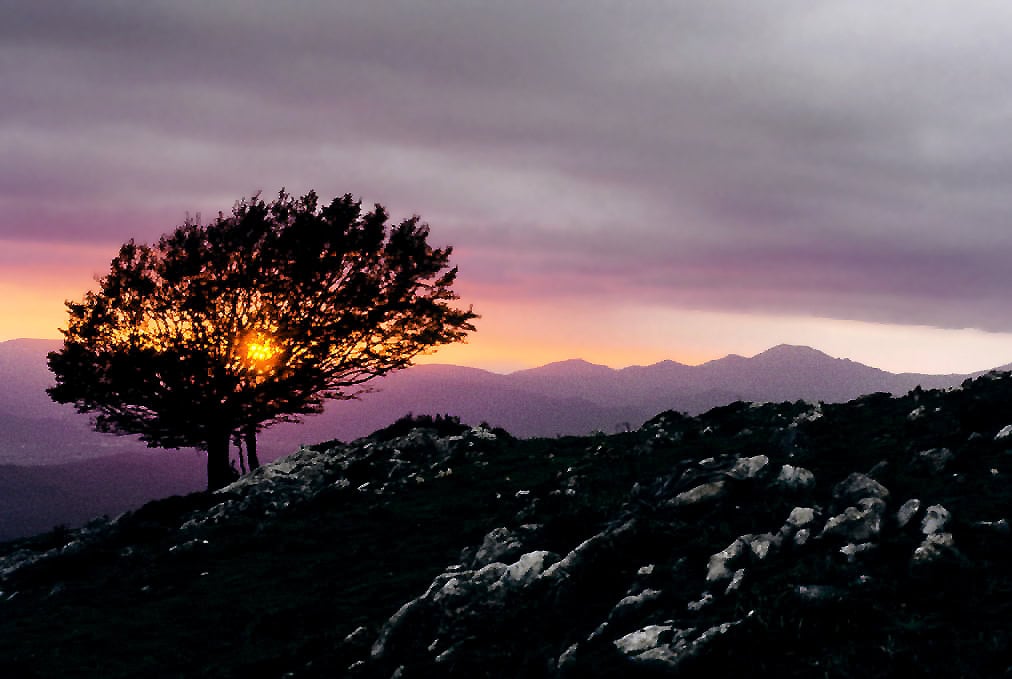
Featured image by LBM1948 on Wikimedia.