By Rob Des Cotes
For since the creation of the world God’s invisible qualities, his eternal power and divine nature, have been clearly seen, being understood from what has been made. Rom. 1:20
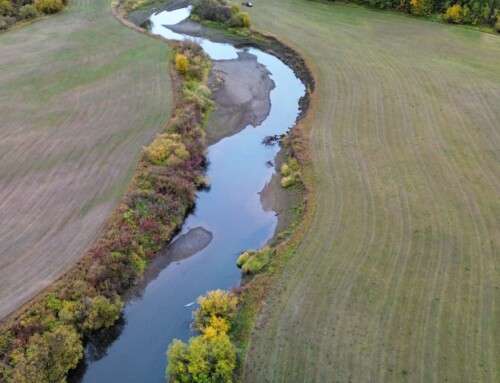
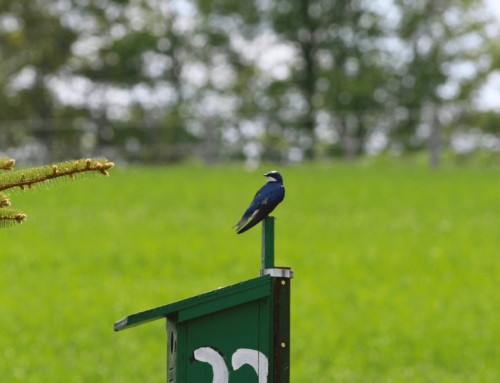
God’s “invisible qualities”—His beauty, wisdom and love—are revealed to us through what has been made. Paul later develops this passage to suggest that the Lord anticipates that the beauty of these works should evoke in us a natural response of praise. Our capacity to respond to the aesthetics of creation, it would seem, is an indicator of our spirituality. As Jonathan Edwards once wrote, “Our highest vocation is to respond to beauty.”
What does it mean then to contemplate the beauty of the Lord in creation? What does worship look like as we praise God for the creativity of design, colour and attractiveness that fills our senses whenever we are “present” to nature? Why does beauty even matter? What purpose is met whether something is attractive to us or not? Is it not enough that it is functional?
Let’s see where this all leads as we explore The Art of Creation in the months ahead. I’m convinced these are important questions and perhaps you are, or will be, as well.
In the meantime, we can all practice our capacity to “respond to beauty” on Sat. Aug. 18th, from 3pm-9pm, at a special arts event at Brooksdale called “Created Life”–lots of art, music and good people to be with. See Created Life for more information.
Rob Des Cotes lives at A Rocha’s Brooksdale site. He is a spiritual director with Imago Dei who also enjoys landscape photography and contemplating God’s beauty through watercolour painting.