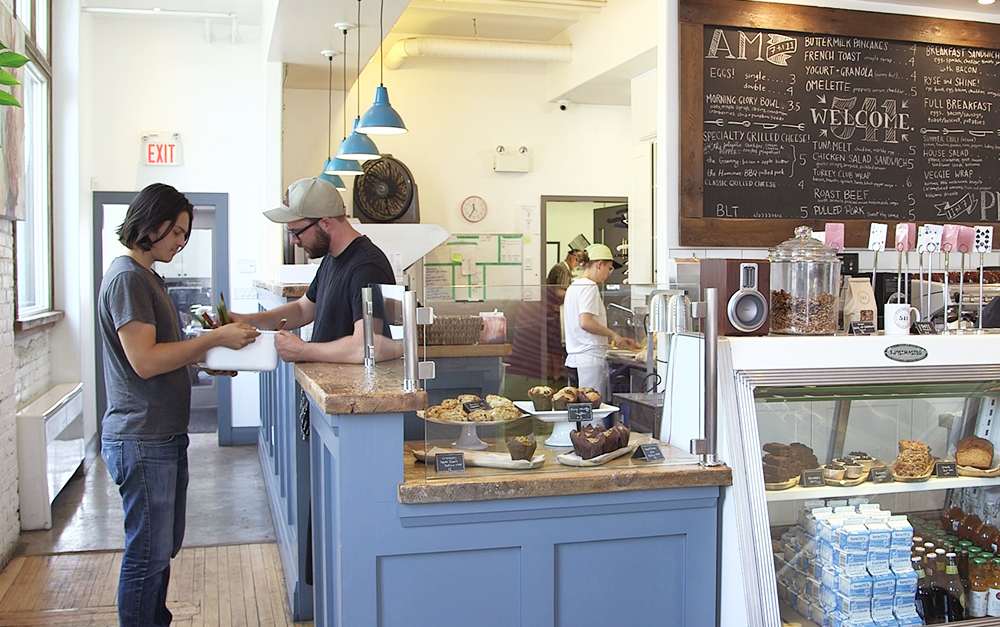
Imagine you’re sitting in a bustling restaurant with a young woman struggling with homelessness. You chat about life and its challenges while enjoying a locally grown salad together. This scenario is common at one of Hamilton’s most socially innovative businesses: the 541 Eatery & Exchange.
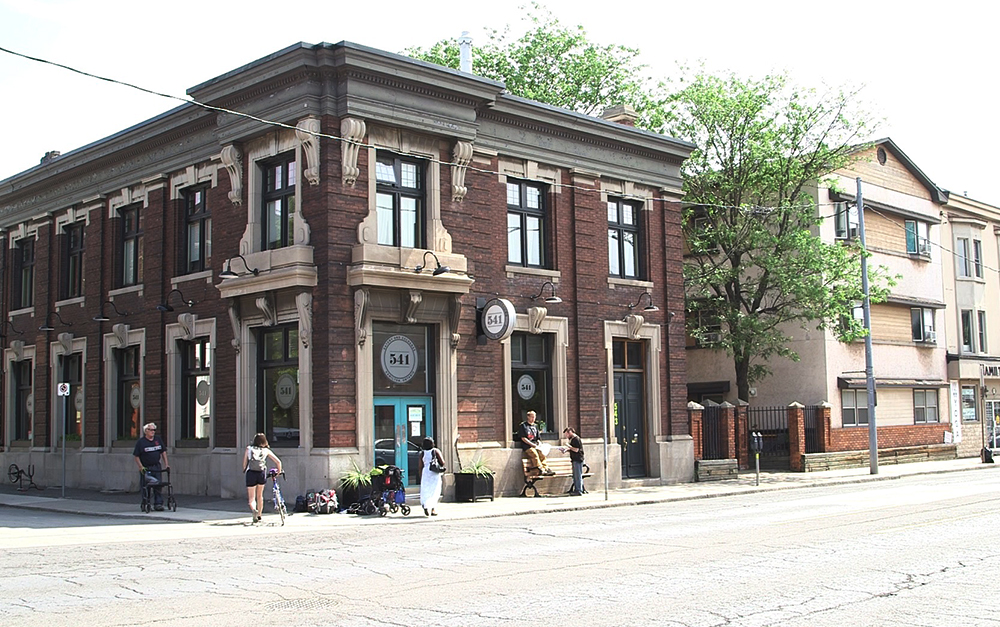
This summer A Rocha is partnering with 541 Eatery & Exchange, a Hamilton not-for-profit restaurant, to make these community-building experiences possible. The mission of 541 is to share God’s love to the local community through food and community. Located in one of Hamilton’s most marginalized neighbourhoods, 541 seeks to use food to connect with people at the margins. Its mission is founded on the belief that that all people — rich or poor — should have access to fresh, wholesome foods.
Menu items at 541 are affordably priced, but even those with no money at all are invited to dine thanks to restaurant’s pay-it-forward system whereby paying customers can help those in need. Each time a dollar is donated, a button is put into a jar on the front counter. Buttons can then be used as currency by community members who need help paying for their meals. On average, $500 worth of buttons are redeemed each day. The money people donate goes directly towards making fresh produce and good quality food available to hundreds of people who might not otherwise have access.
The majority of staff at 541 are volunteers. Each week people from all walks of life gather to serve the community: retirees, high school students, PhD candidates, church members, parolees, families and those on the margins needing job skills. One volunteer recently became employed for the first time in 13 years because of the skills and support the community at 541 afforded her.
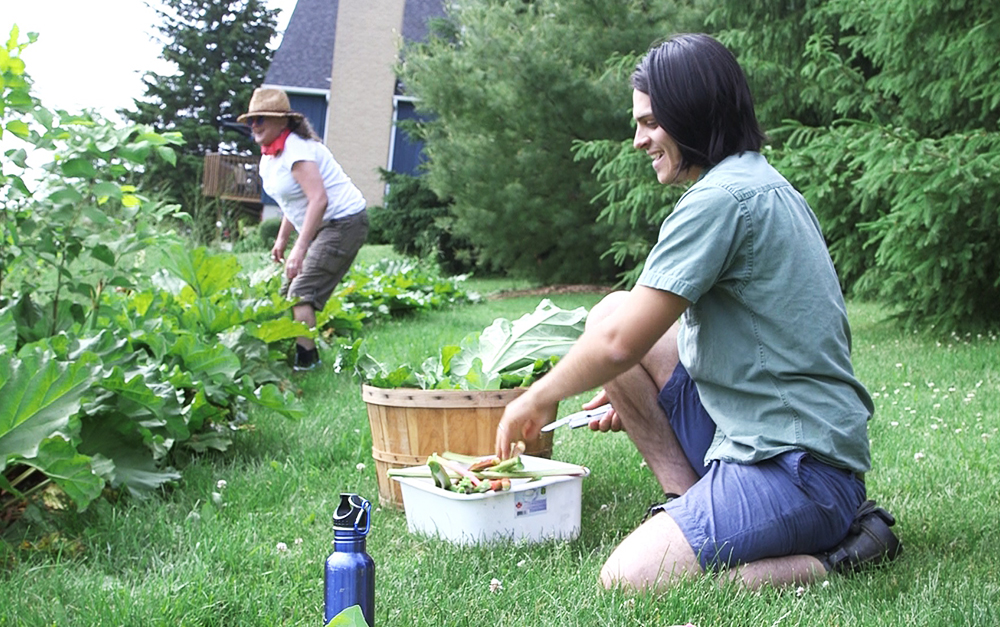
For A Rocha, this partnership perfectly fits our vision to connect people with the place they live. Ben McCullough, A Rocha’s Cedar Haven Garden Coordinator, is tending all manner of crops that then fill the kitchen and plates of 541 this summer. With each basket of produce we provide for 541, we’re bridging the gap between the farm and the city, linking people with the land that their food comes from.