Iconic Birds in Your Winnipeg Neighbourhood
By Graham Peters, Conservation Science Coordinator
July 2, 2026
This month we are exploring the birds in our neighbourhood. eBird has an incredible feature where you can check out the birding hotspots around you! (Not to brag, but our weekly bird walks have made CMU number 10 on the list!) These hotspots are especially cool because they show you where people are seeing different types of birds. And if you look further, eBird will share the “Iconic Birds”. These are species you’re more likely to encounter at that particular location than other places in the region! So, to help you get started on finding the cool birds near you, I wanted to share some of these Iconic Birds from around Winnipeg!
| Neighbourhood | The Forks | Bunn’s Creek Centennial Park |
St. Vital | CMU |
|---|---|---|---|---|
| Most Iconic Bird | Rock Pigeon | Great Blue Heron | Yellow-throated Vireo | Eastern Bluebird |
| Let’s Learn About | Barn Swallow/ Cliff Swallow |
Yellow-throated Vireo | Indigo Bunting | Eastern Phoebe |
The Forks
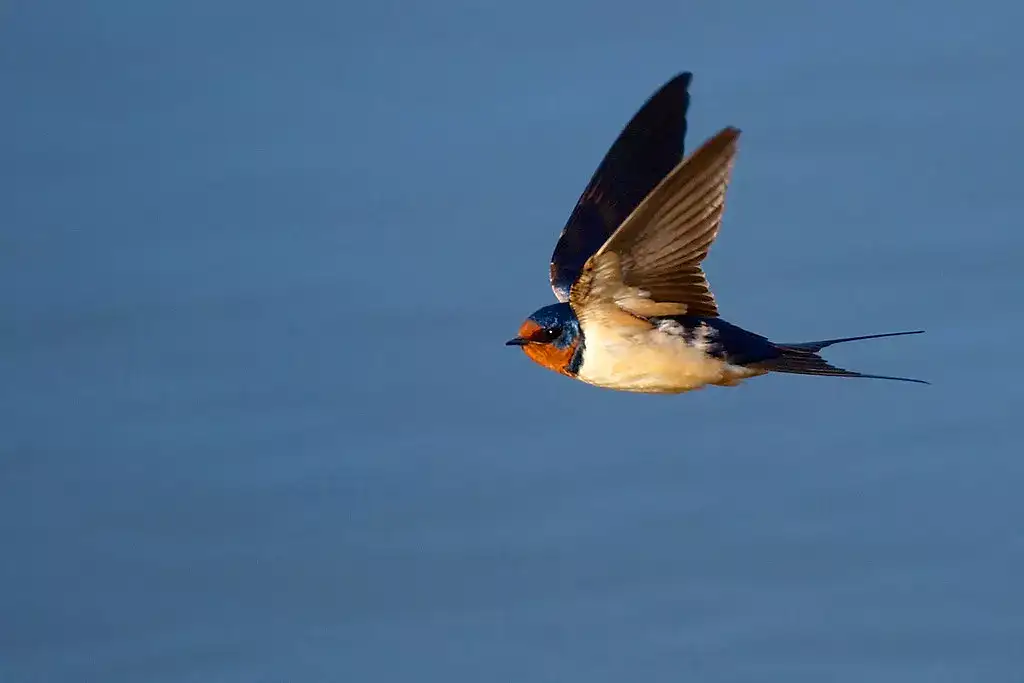 Let’s start central! If you’re at the Forks, eBird names the most iconic species as the Rock Pigeon. Now, no disrespect to the rock pigeon, they do have a lot of cool stuff going on for them, but why don’t we explore something a little less common. I think we should explore the Barn Swallow.
- Type – Swallow
- Size – Only about the size of a sparrow, with a tail with a long distinctive fork
- Colour – Blue back and a deep orange throat
- Behaviour – You’ll mostly likely see these aerial insectivores flying just above the water
- Listen for – Constant chattering and high rattles
Now here’s the trick, careful not to mix them up with another Icon, the Cliff Swallow. They boast white underparts and lack the fork on their tail. Their call is also more of a constant squawk, more raspy than the Barn Swallow’s chattering.
Bunn’s Creek Centennial Park
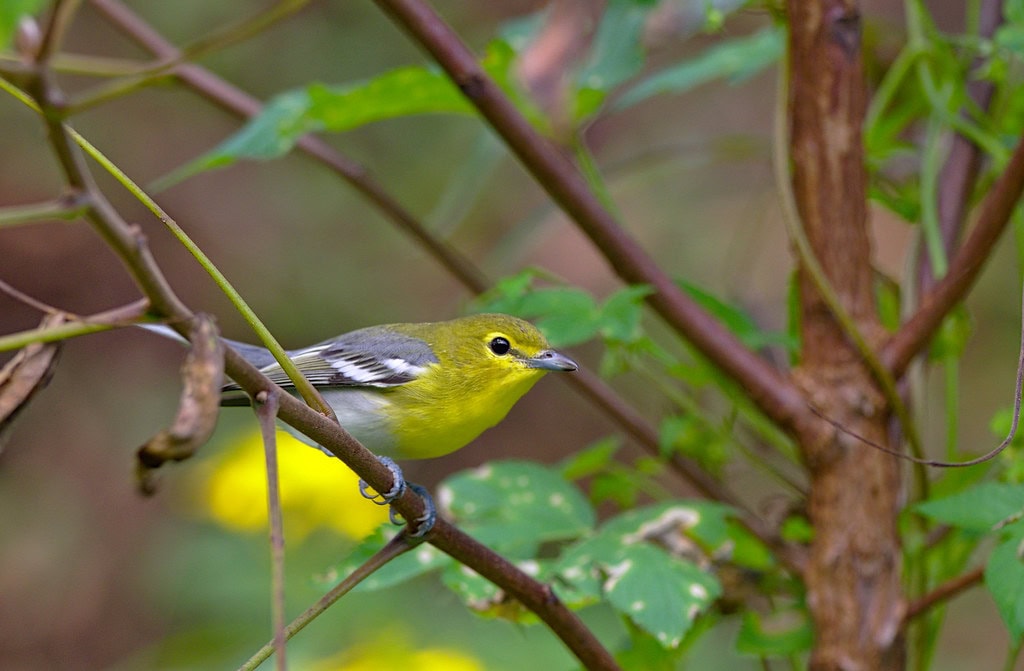 How about further north, like Bunn’s Creek! The number one icon for them is the Great Blue Heron! That would certainly be exciting to see, but I wonder if we could learn to ID something a little less distinctive, like the Yellow-throated Vireo!
- Type – Vireo
- Size – Only about the size of a sparrow, with a round chunky body
- Colour – Olive green on the head and bright yellow throat and spectacles with a white lower belly
- Behaviour – They slowly search for insects on the mid to upper parts of tree trunks and interior branches
- Listen for – A series of two beat phrases with pauses between
Vireos are pretty attentive parents, both the males and females take turns incubating the eggs throughout the day.
St. Vital Park
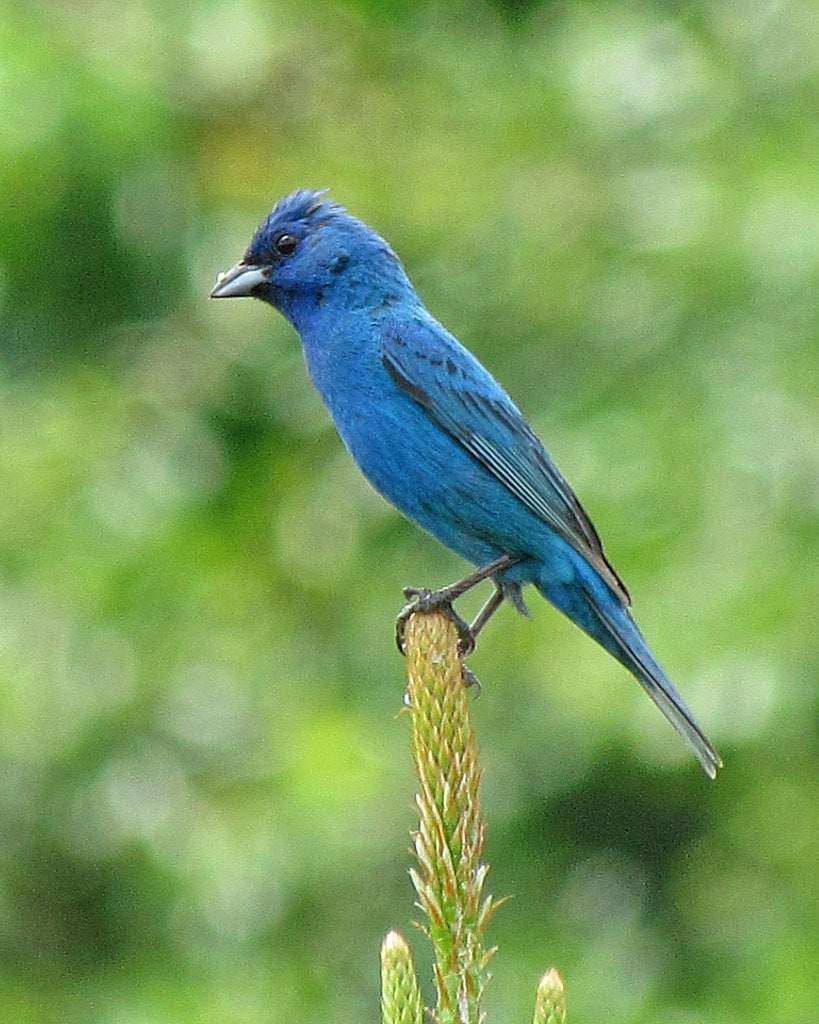 Now let’s move south, to St. Vital Park. Number one here is the Yellow-throated Vireo… okay, we don’t need to review them again. How about we scootch down the list to the Indigo Bunting!
- Type – Cardinal
- Size – Another sparrow sized bird, also pretty stocky with a rounded tail
- Colour – Despite its name, the males are a bright shiny blue with a silver bill, females are brown
- Behaviour – You can often find males perched high in treetops or telephone lines
- Listen for – Complex phrases, always repeated twice
Like all blue birds, they don’t actually have any blue pigment! It actually comes from tiny structures called nanochannels that reflect blue light!
CMU
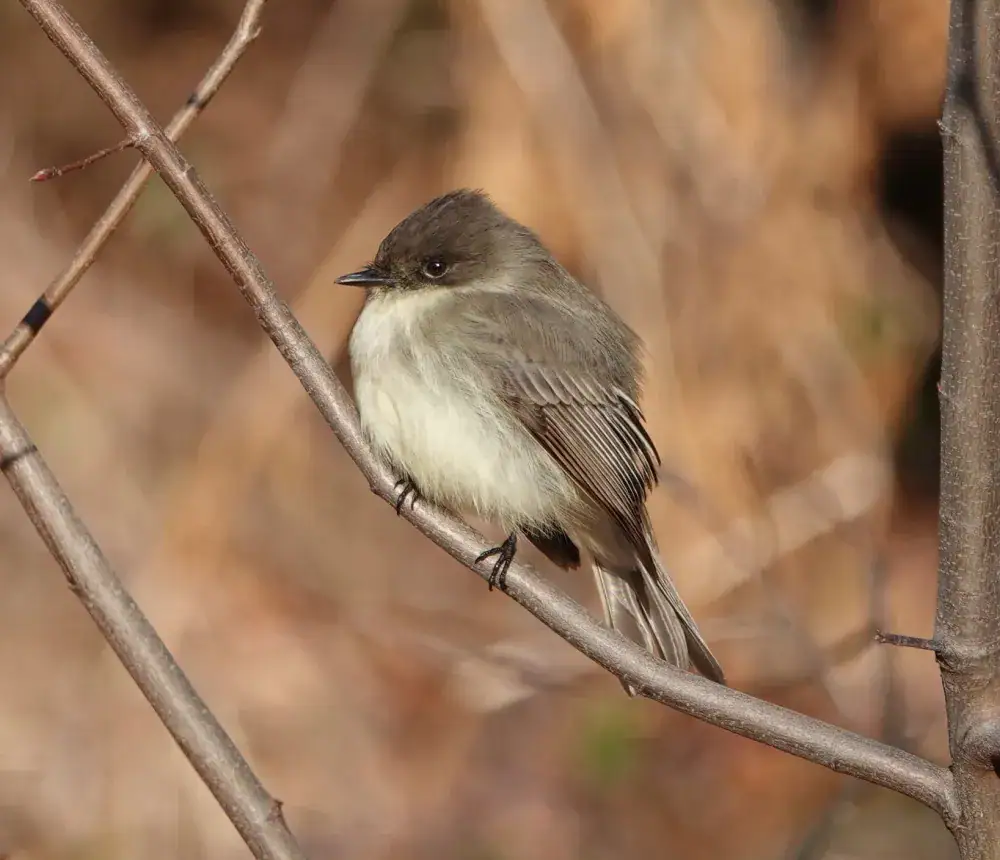 And now on A Rocha Manitoba’s homefront here on the CMU campus, the most Iconic Bird to spot here is the Eastern Bluebird! I could talk about them all day, and have already (checkout this blogpost), so let’s wander down the list to the Eastern Phoebe.
- Type – Tyrant flycatcher
- Size – Say it with me now; SPARROW SIZED
- Colour – Brownish-grey on their back, and white on their belly with a dark cap
- Behaviour – When they’re perched, watch for their iconic tail pumping
- Listen for – You can hear them making a short ‘peep’ or calling out their own name “PHOEBE”
Eastern Phoebes have been pretty skilled at building nests in buildings and bridges. So they’ve been able to adjust to people changing the landscape around them. Maybe you can spot a phoebe in your neighbourhood too!
I hope this list is a helpful start for what birds you can look out for and where! Obviously there are many other species out there to spot than these icons, so get out there and see who they are!
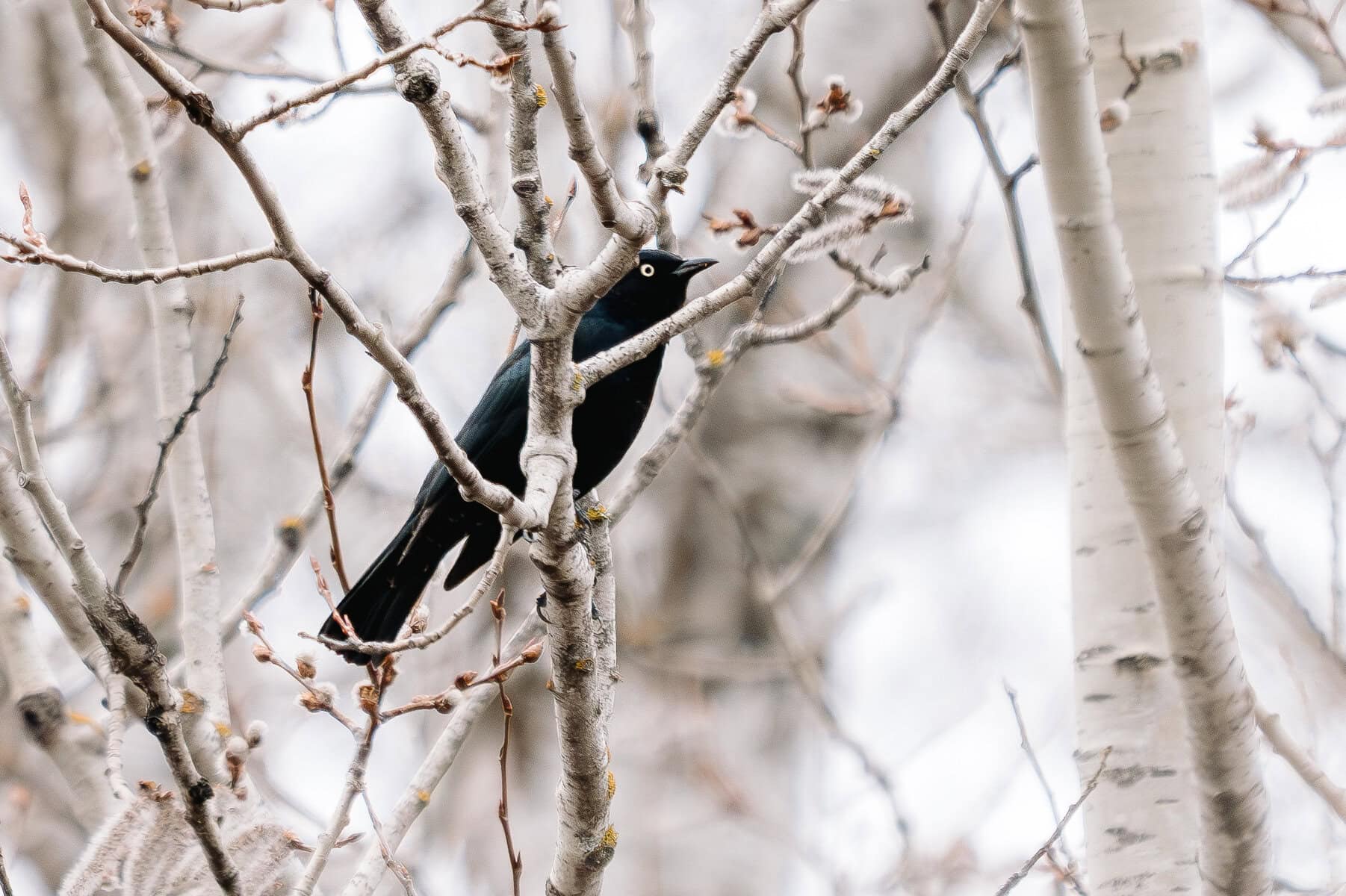
Featured Photo “Rusty Blackbird” by Kristen McLean
Bird sounds from Cornell Lab of Ornithology
Participate in A Rocha's Conservation Science work
The work we do is made possible by volunteers joining us in our conservation monitoring programs. If you would like to gain experience in field work, or simply enjoy being in the forest or on the water, our Conservation Saturdays are the place for you!