Autumn certainly is the time when everybody in creation is preparing to slow down for winter. Humans are filling the pantry and root cellar (not to mention the freezer!), squirrels are burying acorns, trees shed their leaves, moles raid the last carrots in the garden, and butterflies and caterpillars prepare for hibernation. These processes are part of a huge network which sometimes gets ignored. The soil organisms, earthworms, centipedes – millions of tiny creatures – form a network supporting the garden. Even moles are supposed to be a beneficial team aerating the soil. Trees support creation in many ways, as leaves fall and decompose to form new soil; butterflies, such as the mourning cloak, hide in the bark of the trees; and trees provide shelter when early winter storms buffet the forest.
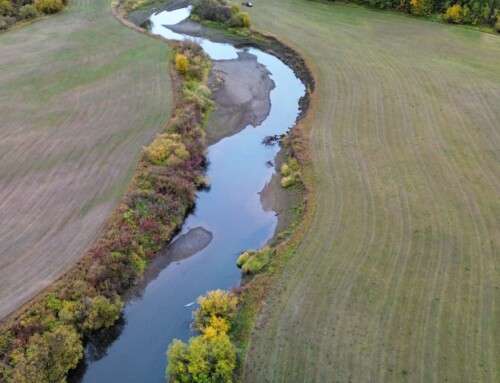
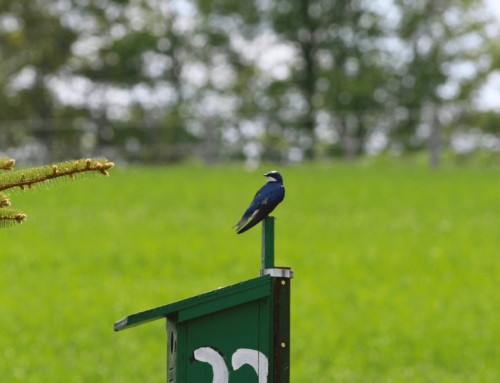
At the A Rocha site in the Pembina Valley (Southern Manitoba), visitors witness all these processes of networking. We see how parts of creation support each other. The plant and animal communities here interact intimately. Our volunteer today (who is helping with roofing on the new Education Facility) on his drive onto the property noticed deer who were enjoying the warmer weather today and were out by the pond. On the bird front, birds who were away all summer have returned (some for a brief visit) including the slate-coloured dark-eyed junco, the pine grosbeak, the blue jay, and the northern flicker.
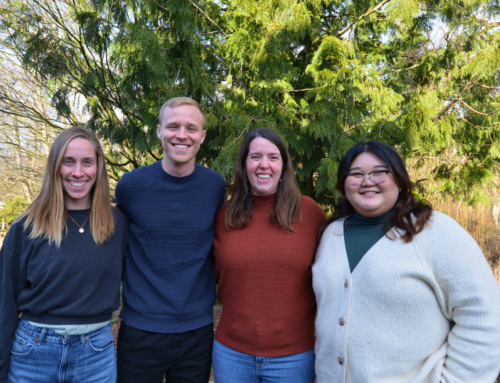
~Bethany
Pembina Valley
P.S. The A Rocha garden is 95% preserved (or eaten), with 100 jars of tomato paste, tomato juice, apple juice, applesauce, pickles, relish, and beets as well as 50 lbs of potatoes, 150 lbs of carrots, and 25 squash squirreled away in the cellar (extra squash raised funds for the education programming). The freezer is also well-stocked with vegetables. Hurray! There are more beets and carrots to bring in before winter settles too definitively.