
Drawn to Wonder in the Season of Lent
A reflection on approaching the season of lent from a posture of wonder at God’s creation
By Zoe Matties, Manitoba Program Manager
Feb 5, 2026
February in Winnipeg can be a tough a month. Even though the light is steadily increasing, the darkness and cold can feel never-ending. The liturgical season of Lent coincides with this dark and melancholy season, which feels appropriate. Lent is the 40 days of the church calendar that come before Good Friday and Easter. It is often a sombre time in which the church anticipates the death of Jesus on the cross. Traditionally it is a season of fasting, meditating on God’s word, and taking on spiritual disciplines. (See Climate Steward’s Carbon Fast for an ecological version of this practice.)
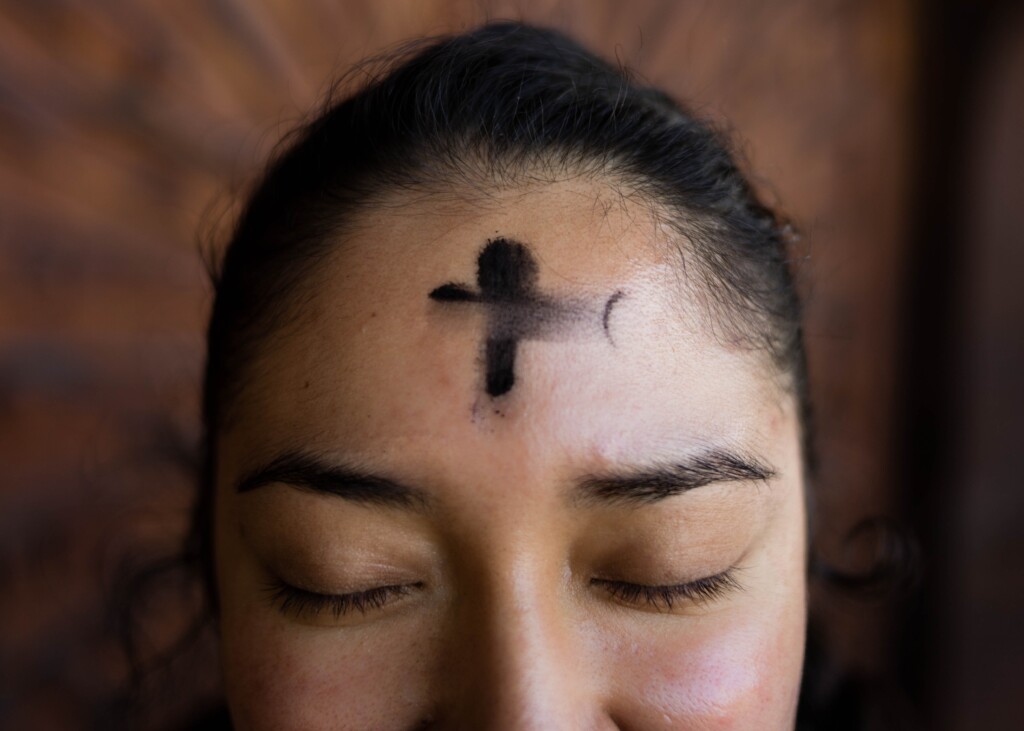 At various points in my life, Lent is a season I have been grateful for. Our society, the church included, is not often very good at creating space for grief, lament, and repentance. We have gone out of our way to avoid these feelings because they are uncomfortable and painful. Lent offers us a time to intentionally grieve together in community. To lament is simply to bring our grief before God. Debra Rienstra, author of Refugia Faith, writes “Lament binds us together, reminding us that when one member of the group suffers, the rest should carry that suffering too. Lament, then, is one way of respecting others, loving our neighbors.”* And this includes our more-than-human neighbours, the plants, animals, and ecosystems too!
When we grieve the losses in the ecosystems around us, we are given an opportunity to repent of the ways we have participated in creation-destroying systems. This is an important practice for churches today if we seek to work with God to bring healing and wholeness to all of creation.
This year, however, I am approaching the season of Lent with some dread. 2025 was a rough year, with news of wars, political strife, and horrible summer wildfires. If I’m being honest, 2026 hasn’t been that great either and I am tired of being sad and scared. The thought of 40 days of fasting doesn’t feel right this year.
Perhaps I am in need of a gentler Lent practice this year. Maybe, like Job, I need to be overcome with wonder at God’s creation. When Job was overcome by his suffering, God’s response was to draw his attention to vast wildness of the created earth—the storehouses filled with snow, the constellations, and the mighty leviathan in the ocean. Here, amidst the wildness and the glory of God, we may find freedom from needing an answer. We can simply stop in awe of all that God has created.
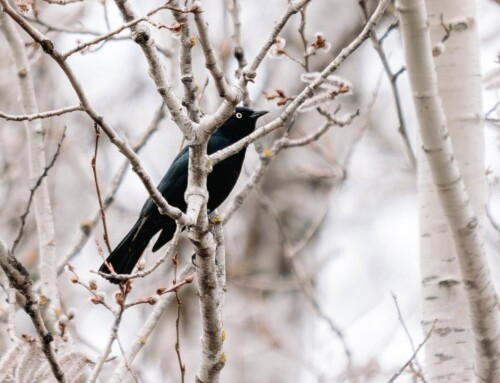
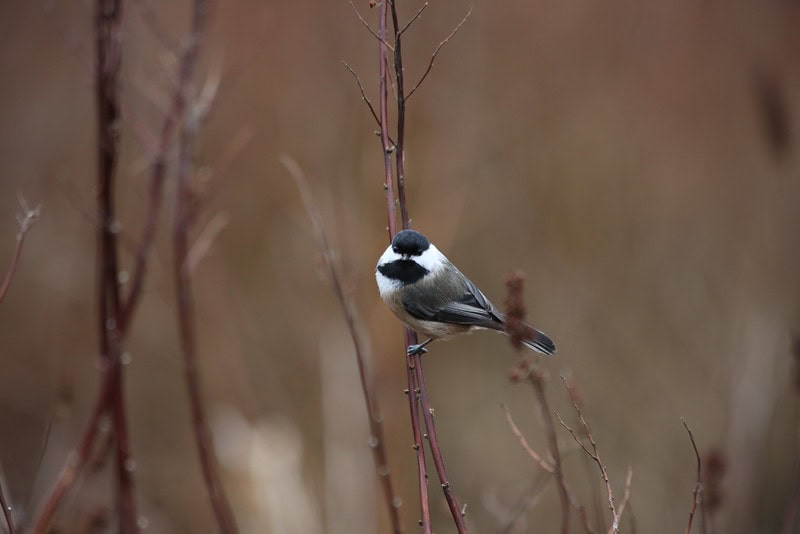 Courtney Ellis, the author of Looking Up: A Birder’s Guide to Hope Through Grief, has proposed a unique Lenten practice. Inspired by her friend Paul, who is known to ask for “a bird from the Lord” on his birding outings, Ellis took up the idea to go outside for 10 minutes each day during Lent awaiting whatever birds God might send her way. She invited her church to participate, and then share what they saw on social media with #abirdfromthelord. “The goal” she writes, “was to cultivate stillness, awareness, gratitude, and prayer.”**
Whether it’s birds you notice, or something else, the practice of paying attention to the created world can bring delight and even reduce stress. Our attention may also cause us to notice how the world groans in pain due to climate change, pollution, or habitat loss. It’s ok if you feel both delight and sadness when noticing the world. The poet Mary Oliver has written, “attention is the beginning of devotion.” One of the powers of love is that it may awaken in us to the need for lament, and even repentance. To repent is to admit we’ve done wrong, and change our behaviour. Paying attention to a place over time can help us know how to care for that place better.
This season of Lent, I invite you to take up the practice of spending ten minutes a day outside to wait for what God might show you. It might be a bird, or new buds on a tree branch, or something else completely unexpected. Whatever it is, may you be drawn in wonder towards the God who creates it all, died to save it all, and rose again creating hope for the future of all.
*Refugia Faith: Seeking Hidden Shelters, Ordinary Wonders, and the Healing of the Earth, Debra Rienstra, 2022, p. 122
** Looking Up: A Birder’s Guide to Hope Through Grief, Courtney Ellis, 2024, p.111
Featured Photos by Andrew Seaman and Annika Gordon on Unsplash
Looking for more prayer resources for Lent?
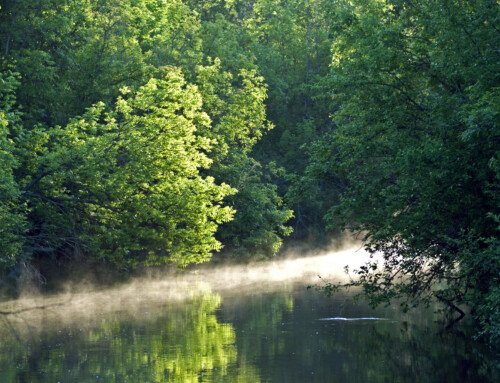
In 2023 A Rocha facilitated a series of walks during the season of Lent exploring the lost creeks of Winnipeg, and lamenting the loss of these natural and beautiful waterways. We provide this guide for you to take this journey on your own, or with a group.