Project Description
Your donation supports watershed restoration and reconciliation efforts.
How did you spend the recent National Day for Truth and Reconciliation? Perhaps you learned something new about your local Indigenous community or attended an event that fostered connection. Or perhaps you, like many, desire to engage in reconciliation but don’t know how? A Rocha invites you to partner with us as we engage with Indigenous communities to care practically for both land and people.
Since 2003, A Rocha BC’s Conservation Science team has been working increasingly with the Semiahmoo First Nation, toward the restoration of Steloquen (Boundary Bay) and its fisheries. Semiahmoo First Nation (SFN) reserve lands are located at the estuary of the salmon-bearing Tatalu (Little Campbell River) which flows into Steloquen, while A Rocha’s BC Centre is 13 km upriver, within the traditional and unceded territories of many Coast Salish Peoples, including the SFN, Kwantlen, Stó:lō and W̱SÁNEĆ.
Poor water quality in the Tatalu and in Steloquen is a significant threat to freshwater and marine ecosystem health. Pollution has prevented the Semiahmah people from safely and legally harvesting traditional food sources (such as clams) in the bay since 1962. By supporting A Rocha, you are participating in restorative relationships with the Semiahmah alongside restoring river habitat, threatened species and ocean health.
“We so appreciate A Rocha’s collaborative work to restore the river and connections to the watershed. We are grateful to continue building these relationships.” – Chief Harley Chappell, SFN
The story of the Semiahmah people is not an isolated one: Indigenous communities in BC and across Canada wrestle with environmental degradation that affects their food security, culture, and interactions with neighbours. For example, in the Bulkley Valley in northern BC, A Rocha works alongside The Office of the Wet’suwet’en toward salmon habitat restoration. And there are opportunities for A Rocha to scale this work through local, national and international partnerships, toward a long-term vision of thriving watersheds and communities.
Make a Difference
Donate Now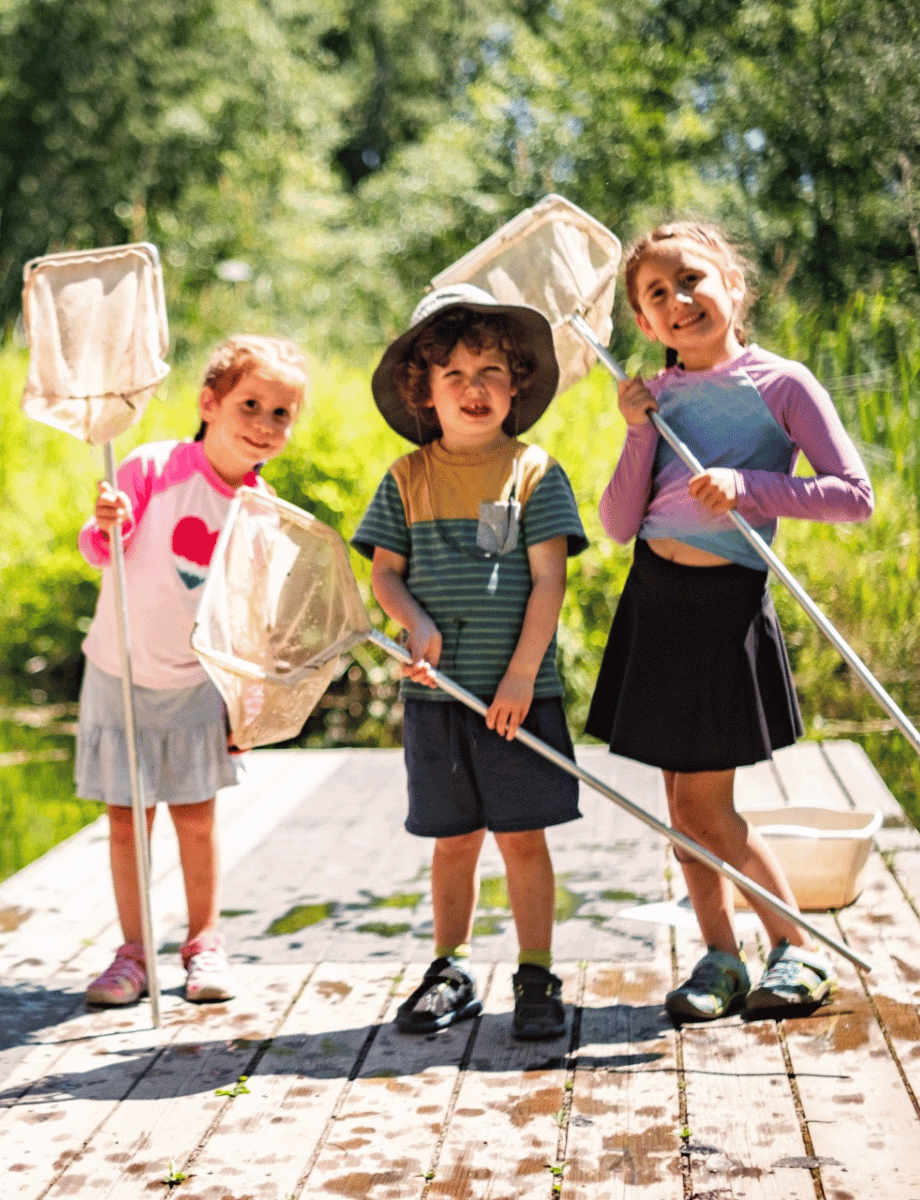
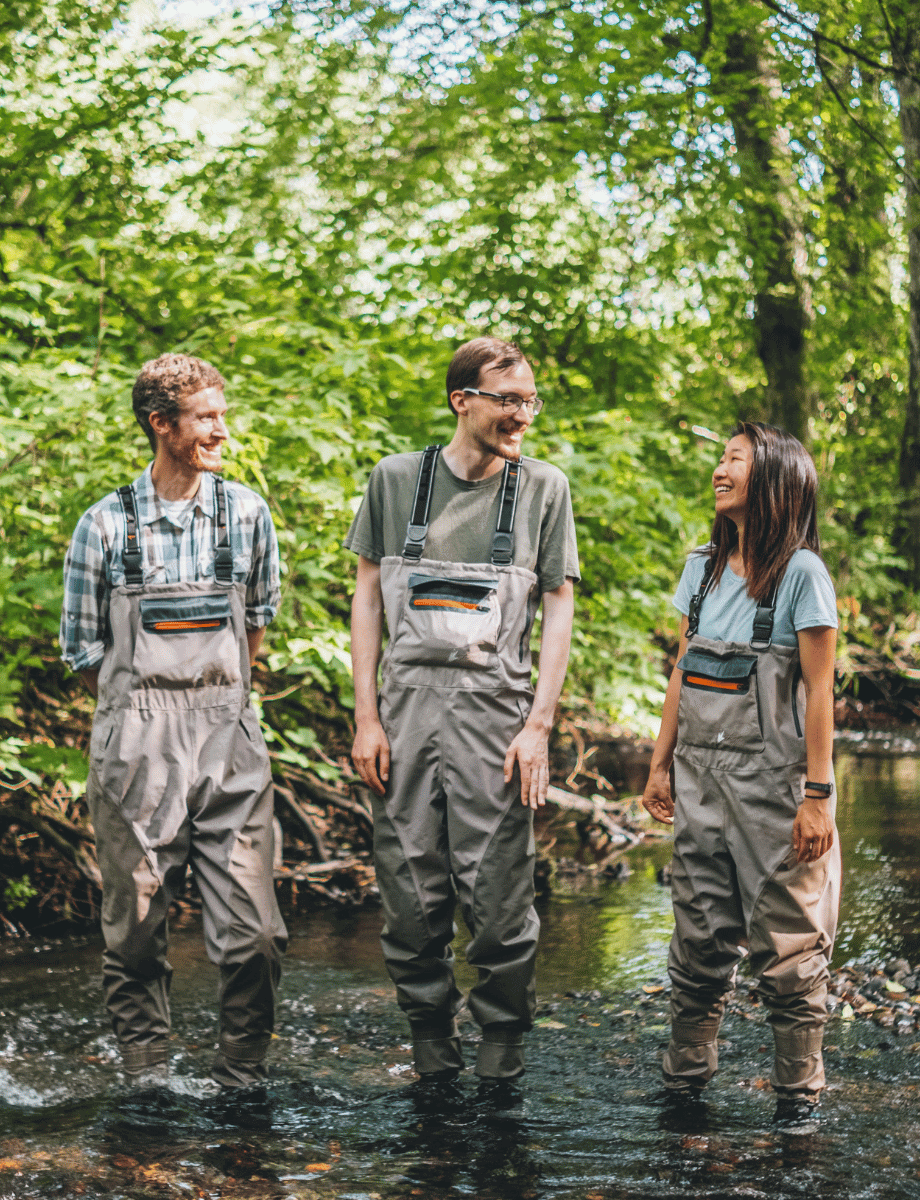
A Rocha’s conservation efforts involve research, practical ecological restoration and education at the community level. It is nourishing and collaborative work that restores and honours life in all forms, including human culture, rights, identity, and community. Alongside Indigenous communities, A Rocha shares belief in a Creator and a desire to care for the gift of creation, learning through Western scientific methodology and Indigenous knowledge.
Salmon are right now making their way into BC rivers to spawn – and we hope you’ll be reminded of how they bring food, encouragement, and ecological health to all of us, with particular significance for many Indigenous communities.
As A Rocha BC begins its annual salmon surveys, would you support the BC Centre programs in pursuing Biblical justice and reconciliation for creatures and communities? Our goal is to raise $50,000 in October for A Rocha BC’s programs through one-time and monthly donations: monthly giving partners are particularly helpful in sustaining the ongoing nature of the work.
Your support of A Rocha’s work in BC, from water sampling costs to salmon education, is important. If 75 people who read this letter today make a commitment of $55/month or a one-time gift of $660, or if 10 people make a gift of $5,000, we can reach our goal of $50,000.
Join us in celebrating the return of resilient salmon and journeying alongside our Indigenous neighbors with reconciliation action that’s practical and committed for the long term.
Any size gift makes a difference!
But let justice roll on like a river, and righteousness like an ever-flowing stream. ~ Amos 5:24
Sincerely,
David Anderson & Shauna Stewart Anderson
A Rocha BC Directors
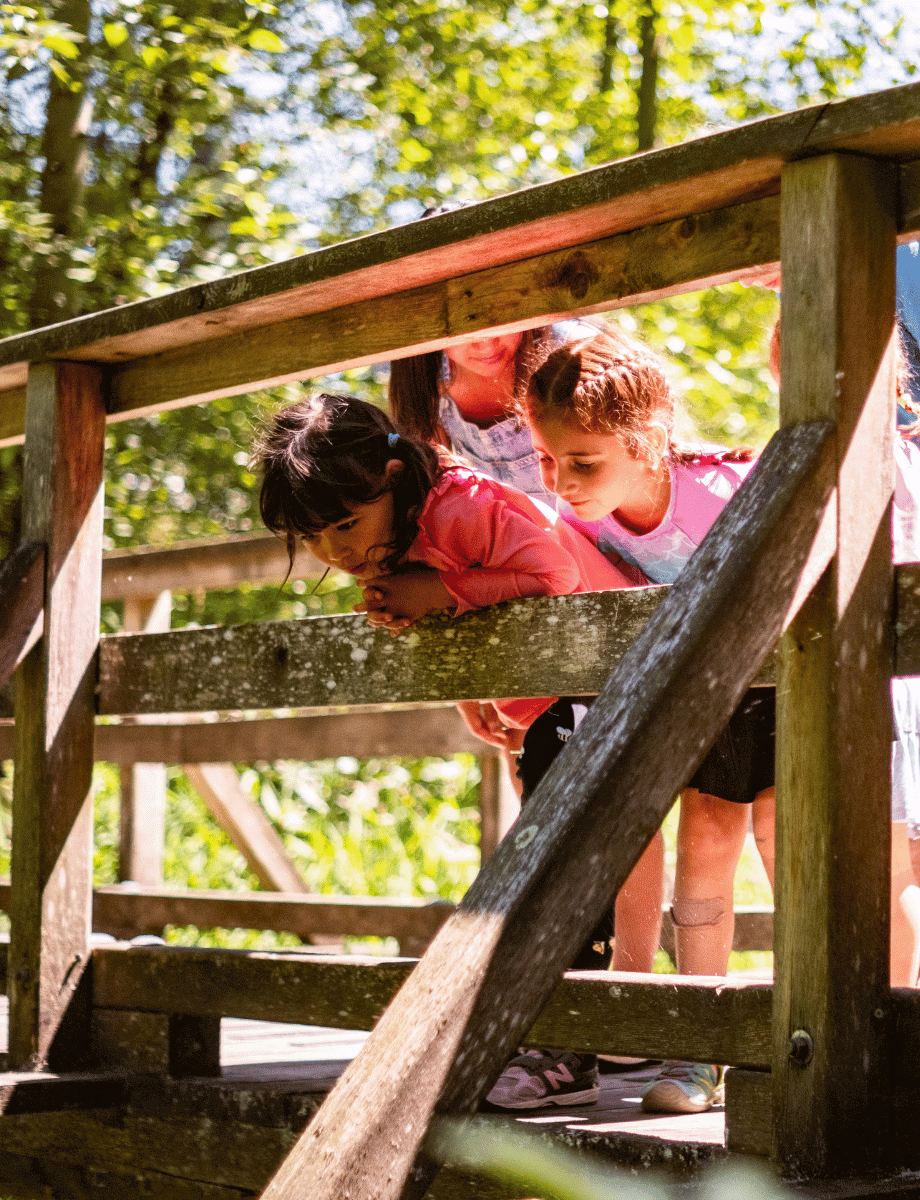
Your donation supports watershed restoration and reconciliation efforts.
Make a Difference
Donate NowFor over 20 years, A Rocha Canada has been transforming people and places through hands-on conservation projects, environmental education programs and sustainable agriculture initiatives across the country.